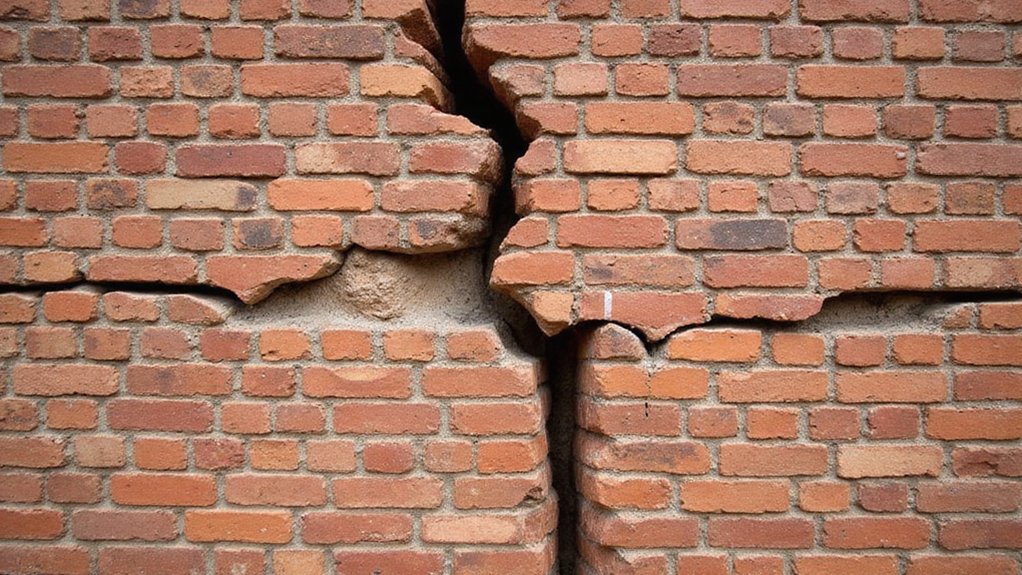
Chimney cracks aren’t just unsightly—they’re warning signs of potential structural problems that can compromise your home’s safety. You might notice vertical or horizontal fissures running through your chimney’s masonry, each telling a different story about underlying issues. Understanding these cracks isn’t just about aesthetics; it’s about protecting your most significant investment. Want to learn what these lines really mean and when you should be concerned?
Understanding the Basics of Chimney Cracks
Most homeowners will encounter chimney cracks at some point, and understanding their fundamentals is paramount for preserving home’s structural solidity. Chimney material composition plays a critical role in determining crack susceptibility, with brick, stone, and mortar each responding differently to environmental stress.
Weather exposure impact can drastically accelerate crack formation, especially during temperature fluctuations and freeze-thaw cycles. Your chimney’s ability to withstand these conditions depends on its construction quality, age, and maintenance history. Regular inspections can help you catch and address potential issues before they become costly repairs. Chimney repair professionals in Pittsburgh recommend annual assessments to prevent extensive damage and maintain structural integrity.
Identifying Vertical Chimney Cracks
When your chimney develops vertical cracks, it’s often a sign of serious structural concerns that shouldn’t be ignored. During a structural integrity evaluation, you’ll want to carefully examine these linear fissures running up and down your chimney’s surface.
Visual inspection techniques reveal that vertical cracks typically indicate foundation settlement, soil movement, or significant structural stress. They can signal potential weakening in your chimney’s masonry, which might compromise its stability and safety. Don’t panic, but take these cracks seriously—they’re warning signs that professional assessment could prevent more extensive damage. Tuckpointing repairs can help stabilize and prevent further deterioration of masonry structures before winter damage occurs.
Decoding Horizontal Chimney Cracks
Because horizontal cracks in your chimney can signal more complex structural issues, understanding their implications becomes vital for homeowners. These cracks often indicate serious foundation problems or excessive lateral pressure from surrounding soil and environmental forces.
You’ll want to pay close attention to horizontal cracks, as they can dramatically impact your chimney’s structural integrity. They might result from foundation settling, extreme temperature changes, or water damage. When you notice these cracks, it’s paramount to consult a professional who can assess the potential risks and recommend appropriate repairs.
Common Causes of Vertical Cracks
Although vertical chimney cracks might seem less alarming than horizontal ones, they still demand your careful attention and understanding. Thermal stress impacts can cause these cracks when temperature fluctuations create expansion and contraction in your chimney’s masonry.
Moisture intrusion effects further complicate the situation, gradually weakening the structural integrity of your chimney walls. These vertical fissures often develop due to natural settling, foundation shifts, or improper initial construction techniques. You’ll want to monitor these cracks closely, as they can indicate underlying structural issues that might require professional intervention to prevent more extensive damage.
Root Causes of Horizontal Cracks
Horizontal chimney cracks represent a more serious structural concern that demands immediate homeowner attention. These troubling fissures often signal significant underlying problems with your chimney’s foundation or structural integrity.
Temperature fluctuations and moisture issues can dramatically accelerate crack formation, weakening your chimney’s stability. You’ll want to recognize that horizontal cracks typically indicate severe stress, potential foundation settlement, or significant load-bearing wall compromise.
When you notice these cracks, don’t delay—professional inspection becomes essential. Left unaddressed, horizontal cracks can lead to catastrophic chimney failure, potentially risking your home’s safety and structural soundness.
Potential Risks and Structural Implications
When chimney cracks become horizontal, they signal potential catastrophic risks that could compromise your entire home’s structural integrity. These cracks aren’t just cosmetic; they’re serious warnings about potential foundation problems or significant structural shifts.
Your chimney’s long-term safety depends on immediate professional assessment, as horizontal cracks can indicate severe underlying issues like soil settlement, foundation movement, or structural stress. Ignoring these warning signs might lead to complete chimney collapse, risking not just your property’s value but also the safety of everyone inside.
Professional intervention is essential to maintaining your home’s stability and protecting your family.
When to Call a Professional
Serious chimney cracks demand immediate professional know-how, especially when you’ve noticed troubling signs like horizontal or expanding fissures. If you’re uncertain about the severity of your chimney damage, it’s vital to schedule routine inspections with a qualified expert who can accurately assess crack risks.
Don’t hesitate to contact a professional if you observe significant structural changes, widening gaps, or potential foundation shifts. Trained technicians have the tools and competency to diagnose underlying issues, preventing costly repairs and ensuring your home’s safety. Your peace of mind is worth the investment.
Preventative Maintenance and Repair Strategies
Your chimney’s longevity depends on proactive maintenance and strategic repair approaches that can prevent costly structural damage. Regular inspections are essential for identifying early signs of wear and potential issues.
You’ll want to focus on moisture mitigation techniques, which protect against water infiltration that can weaken your chimney’s structure. Implementing freeze thaw protection methods helps prevent cracking and deterioration during temperature fluctuations.
Sealing potential entry points, applying waterproof coatings, and ensuring proper drainage around your chimney’s base can greatly extend its lifespan. By investing in preventative care, you’ll save money and maintain your home’s integrity.
Frequently Asked Questions
Can Chimney Cracks Lead to Water Damage Inside My Home?
You’ll definitely want to address chimney cracks quickly, as they can lead to serious water penetration issues that compromise your home’s structural integrity and potentially cause expensive interior water damage.
How Quickly Do Chimney Cracks Worsen if Left Untreated?
You’ll see rapid deterioration if chimney cracks are ignored, especially during harsh freeze-thaw cycles. Without prompt repair, small fissures can quickly expand, compromising your home’s structural integrity and safety.
Are Hairline Cracks More Serious Than Wider Visible Cracks?
You’ll find that hairline cracks can be deceptive, potentially signaling deeper structural integrity issues. Don’t ignore them; they’re often more critical than wider, visible cracks in revealing underlying chimney damage.
Do Chimney Cracks Always Indicate a Significant Structural Problem?
Not all chimney cracks signal major structural integrity issues. You’ll want to assess their width, pattern, and location to determine if chimney stability concerns require professional evaluation.
Can Homeowners Repair Minor Chimney Cracks Themselves?
You can tackle minor chimney cracks with DIY repair techniques, but it’s wise to first get a professional chimney inspection to guarantee you’re not overlooking serious structural issues.